
What Size Gaps Should I Use for My Aluminium Slat Fence or gate in Perth
Aluminium slat fences and gates are one of the most popular choices for Perth homes, and one of the first questions we get on almost every job is:
“What gap should I have between the slats?”
It sounds simple, but the gap size affects privacy, airflow, strength, compliance, and how the whole job actually looks when it’s finished.
There’s no one-size-fits-all answer. The right gap depends on where the fence is going, what you’re trying to achieve, and sometimes what physically fits in the space.
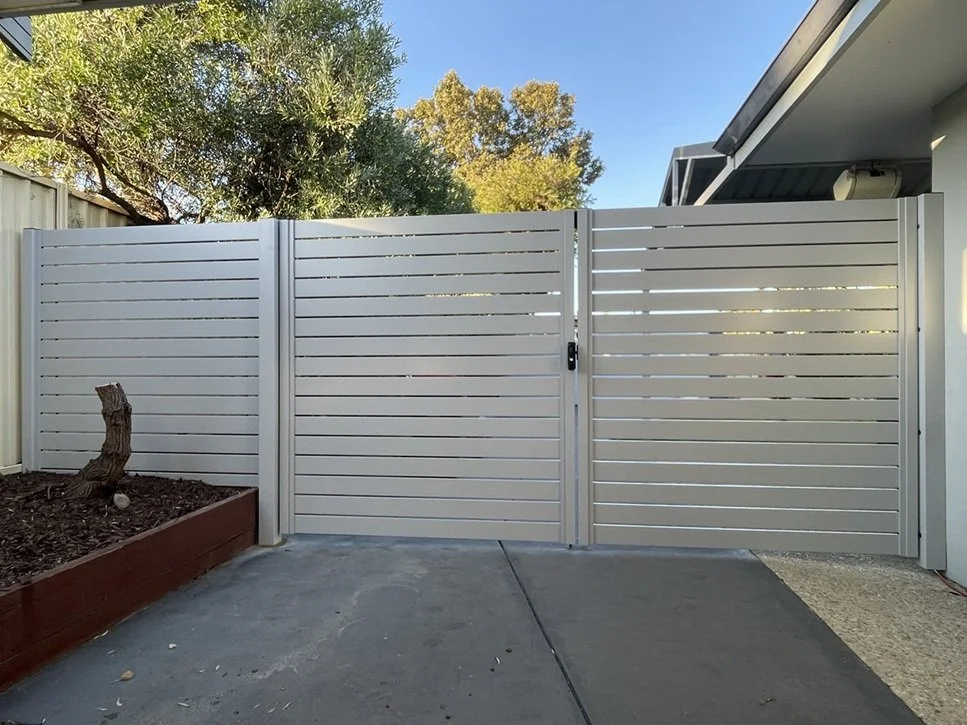
Why Gap Size Matters in Aluminium Slat Fencing
The spacing between slats isn’t just for looks. It changes how the fence performs day to day.
Smaller gaps:
Increase privacy
Reduce visibility from the street or neighbours
Make the fence feel more solid
Wider gaps:
Let more air through (important in windy Perth areas)
Allow more natural light
Create a more open look
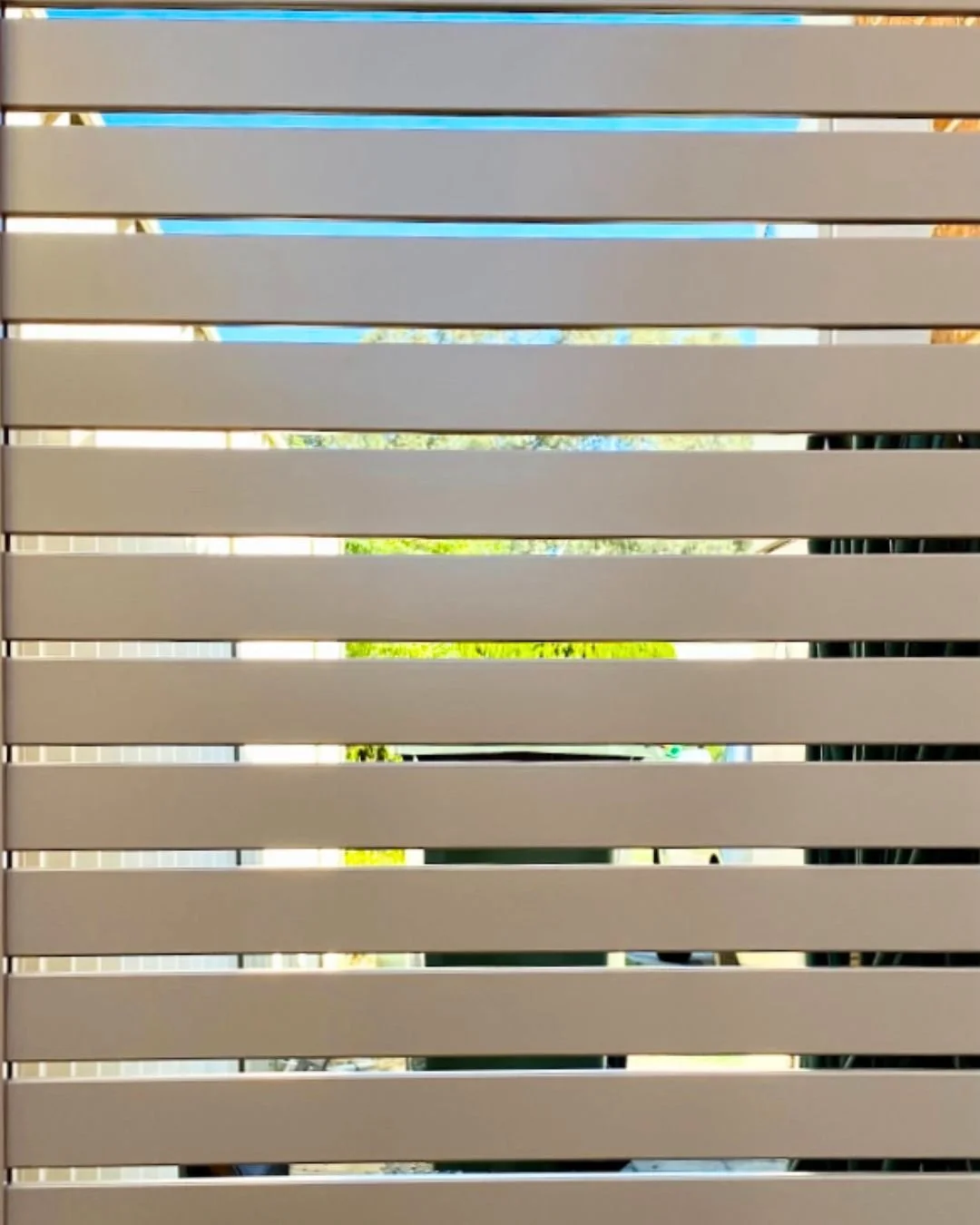
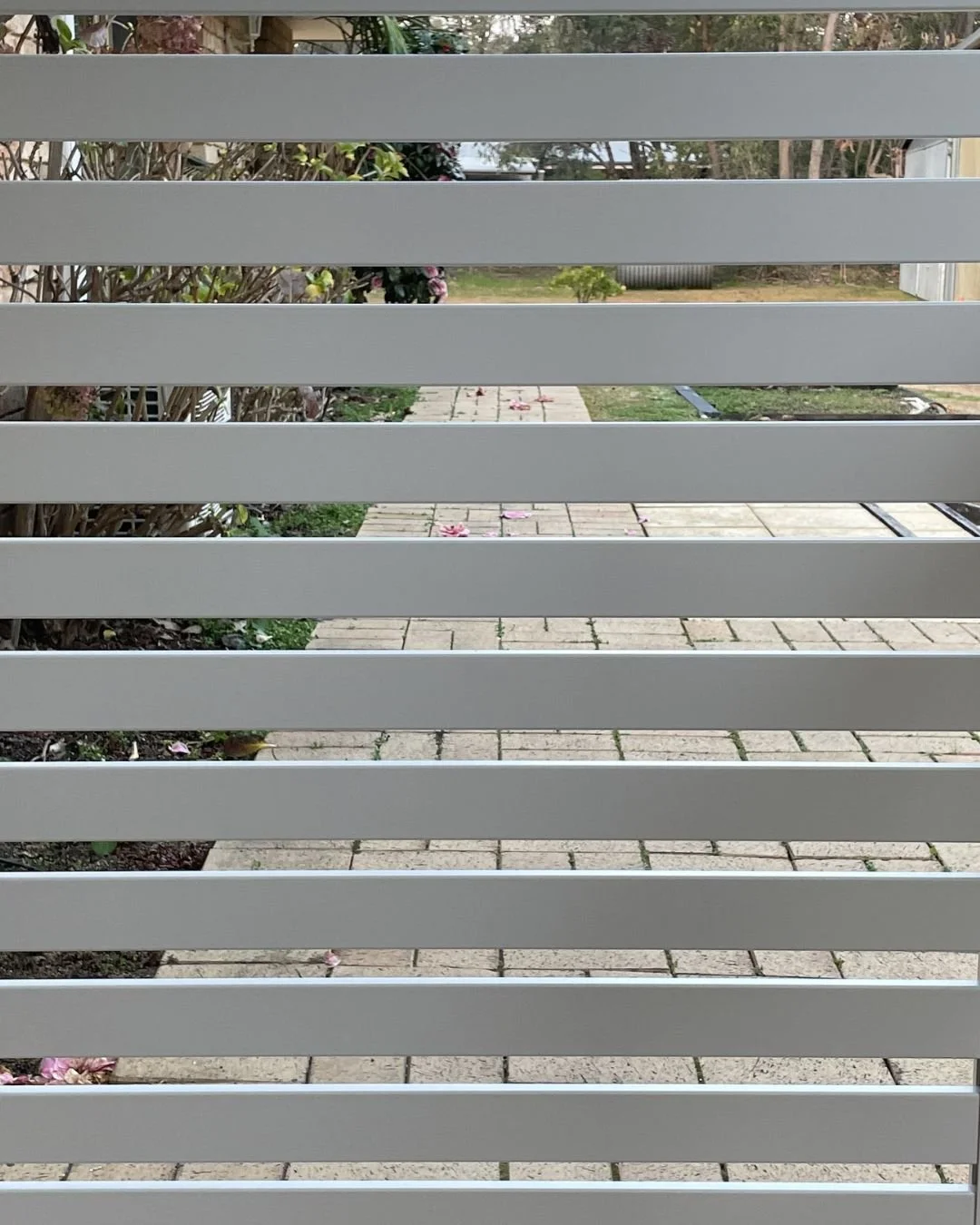
30mm gaps
10mm gaps
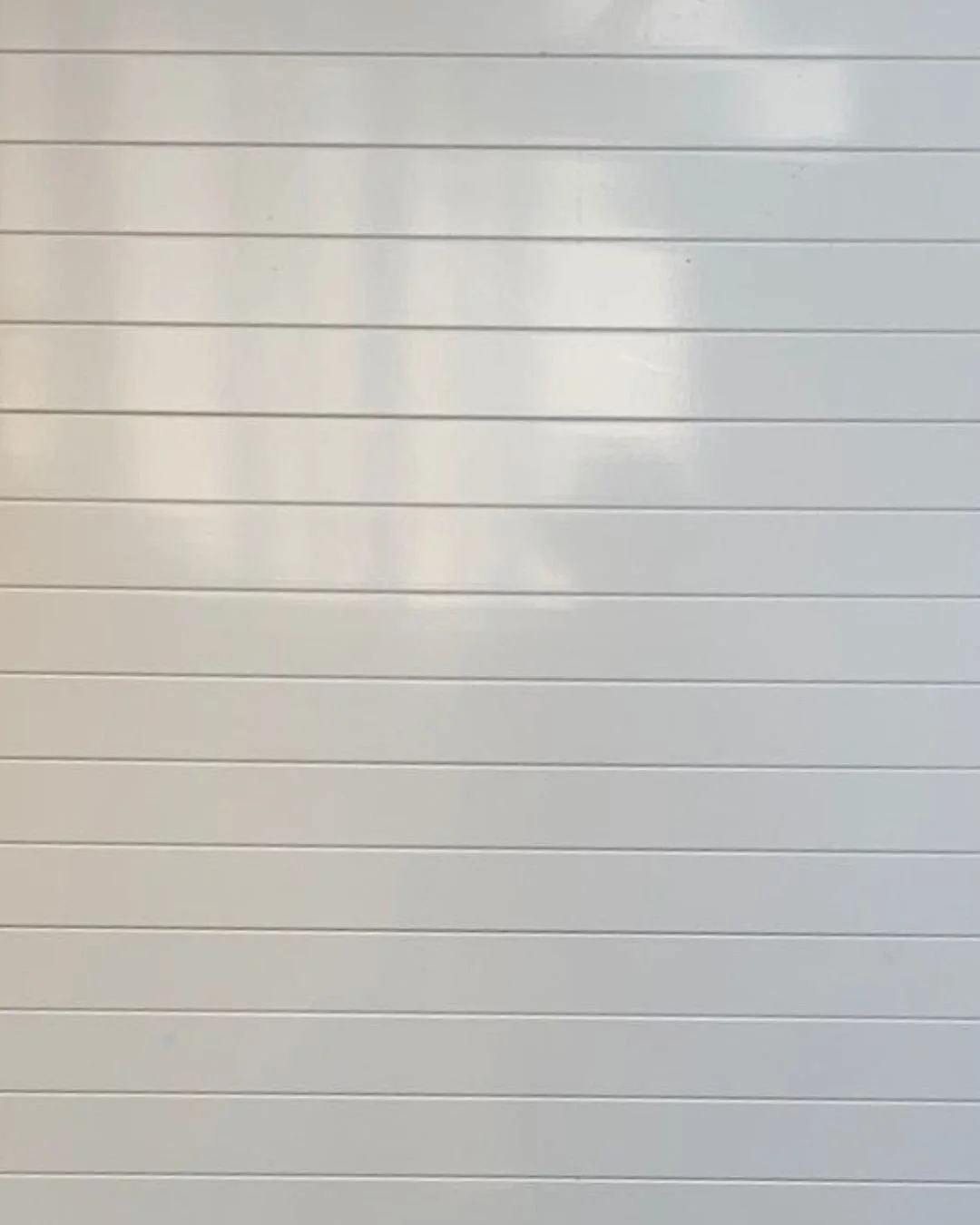

NO gaps
5mm gaps
Common Gap Sizes Used in Perth Aluminium Slat Installations
In Perth residential work, most aluminium slat installations fall within a small range of practical spacing options. Each is chosen based on privacy needs, airflow, and location.
No gap
Slats are installed tightly together with no visible spacing. This delivers maximum privacy and a solid appearance. It is commonly used where full screening is required.
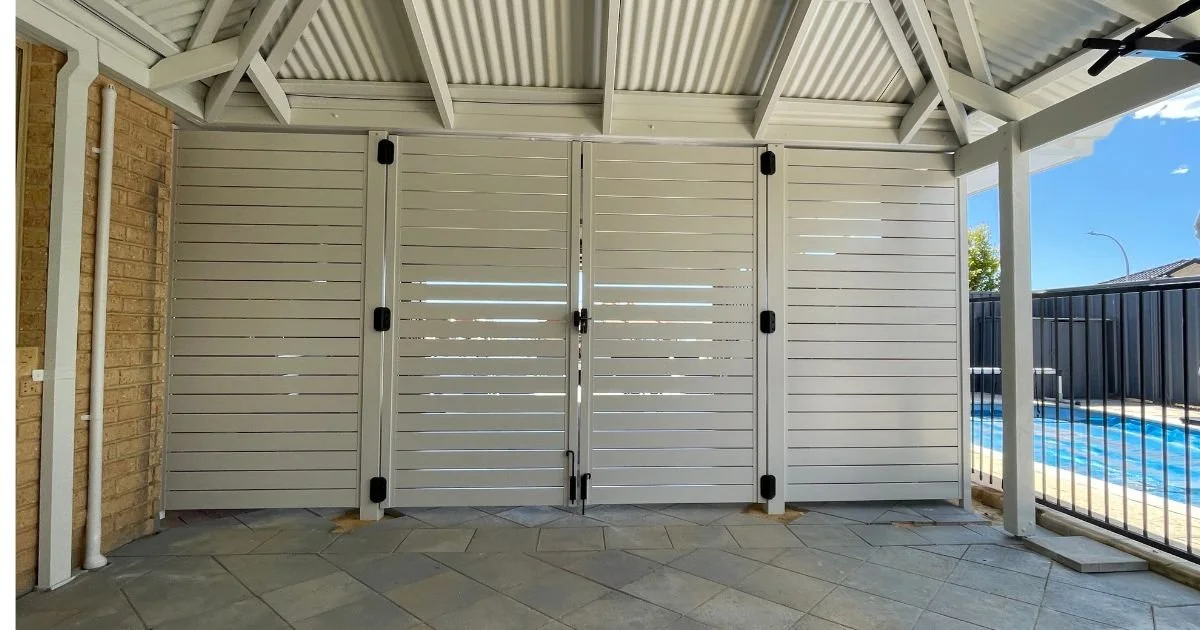
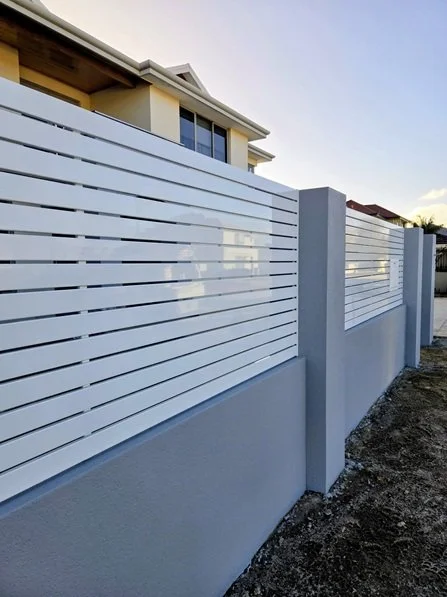
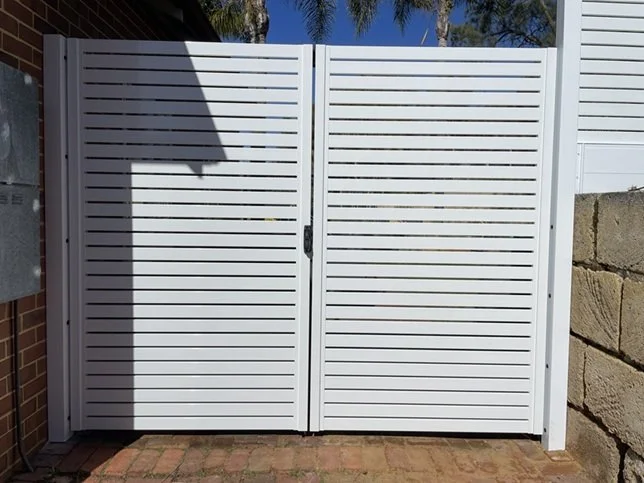
5–10mm Gap
This is by far the most common range for aluminium slat gates
It gives you a good balance between privacy and airflow while still looking clean and consistent. From the street, visibility is limited, but you don’t end up with a completely solid wall.
Around 5mm leans more towards privacy.
Around 10mm allows a bit more light and airflow.
This range is used for:
Front fences
Side gates
Backyard fencing
General all-round use
It’s also the range we work within for pool fencing, where gaps generally need to be under 10mm to meet safety requirements.

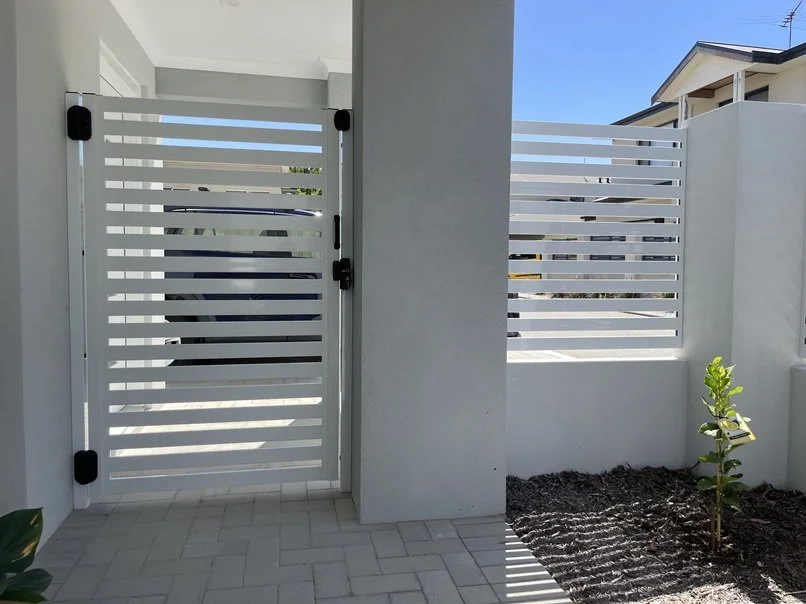
15–20mm Gap
This is a balanced, semi-private option that still lets some light and airflow through without feeling too open, a popular choice for fences and infill panels.
Commonly used where:
You want some privacy, but not a completely closed-off look
The fence faces the street but you still want a bit of visibility out
You’re trying to soften the front of the property without exposing everything
A clean, modern look is important without going too open
It’s a good middle ground between privacy and openness.
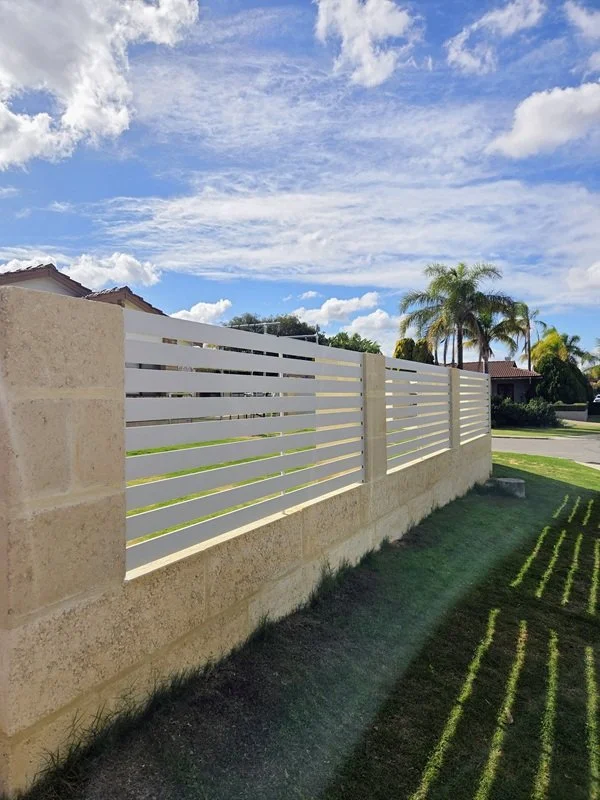
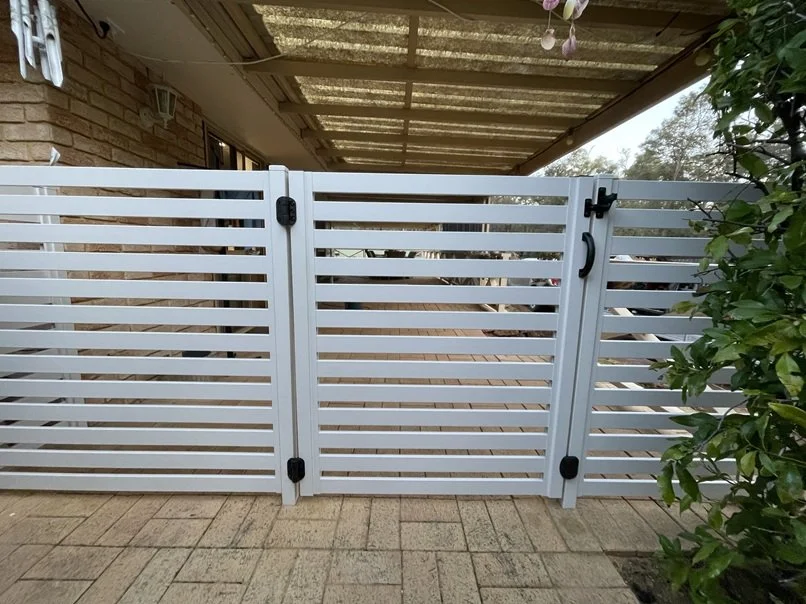


30–45mm Gap
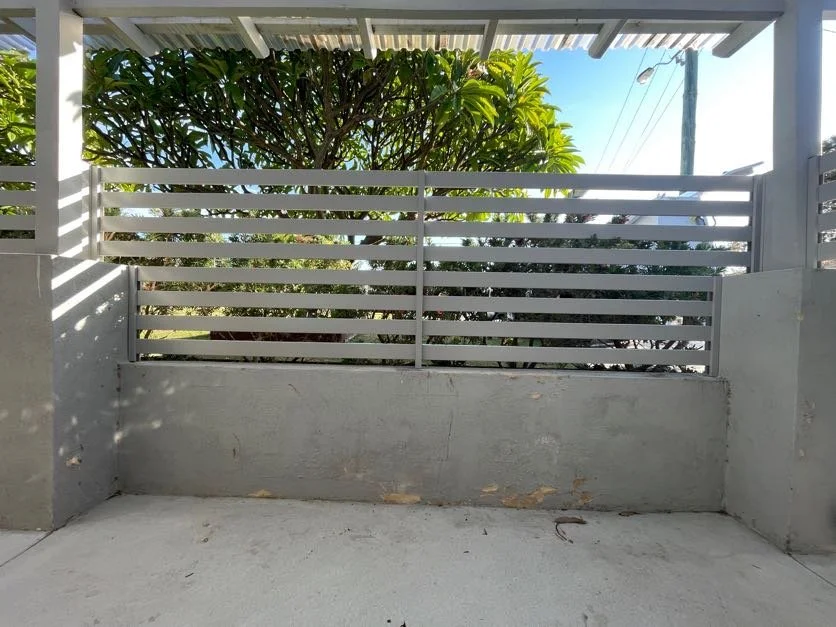
This is a more open style, used when airflow and visibility are the priority, but it’s still commonly used in residential fencing.
Commonly used where:
You want a lighter, more open aesthetic
Maximising light and airflow is important
The fence is more about design and street appeal than full screening
How to Choose the Right Gap Size
1. Privacy
If your fence faces a busy street or neighbours, tighter gaps (0–5mm) are usually the better option.
2. Wind and Airflow
In coastal or exposed Perth suburbs, slightly wider gaps can help reduce wind pressure.
3. Kids and Pets
Smaller gaps reduce footholds and make it harder to climb or squeeze through.
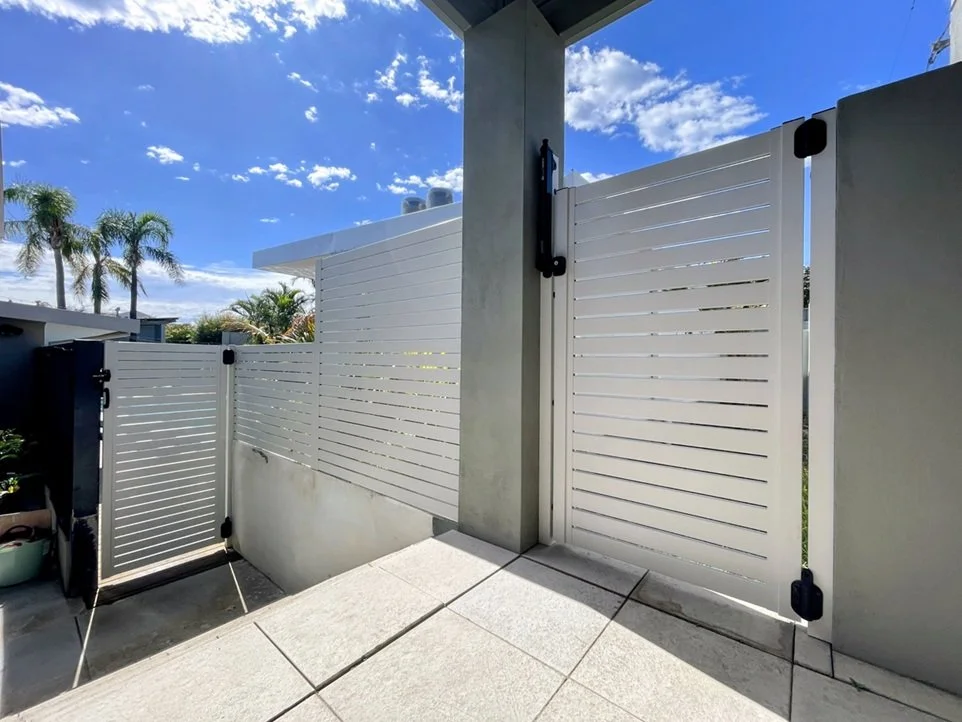
5. The Look You Want
Gap size completely changes the appearance, from solid and private to open and architectural.
Pool Fencing Rules for Aluminium Slats
If your fence or gate is around a pool, spacing isn’t optional.
In most cases, the gap between slats needs to be under 10mm to meet safety requirements and reduce climbability.
If it doesn’t meet this, it can fail inspection - so it’s important to get right from the start.
Can I Choose Any Gap Size I Want?
Short answer: not always.
While you can usually guide the look you want, there are times where the gap size is decided by the job itself.
Long Fence Runs
On longer sections, we’ll often tighten the spacing slightly to improve strength and reduce movement. It helps the whole run feel more solid and perform better in wind.
Pool Compliance
For pool fencing and gates, the gap generally needs to be under 10mm. That’s a requirement, not a preference, and it needs to be followed for the install to pass.
Fixed Openings
If we’re working between existing posts, walls, or piers, the space is locked in. In those cases, the gap gets adjusted so full slats fit evenly and the panel looks right.
Professional Installation Ensures Perfect Gaps
Even the best slat choice can look uneven if not installed correctly. Professional installation guarantees consistent spacing, a sturdy fence that lasts for years. Learn more about our aluminium slat fence installation services.
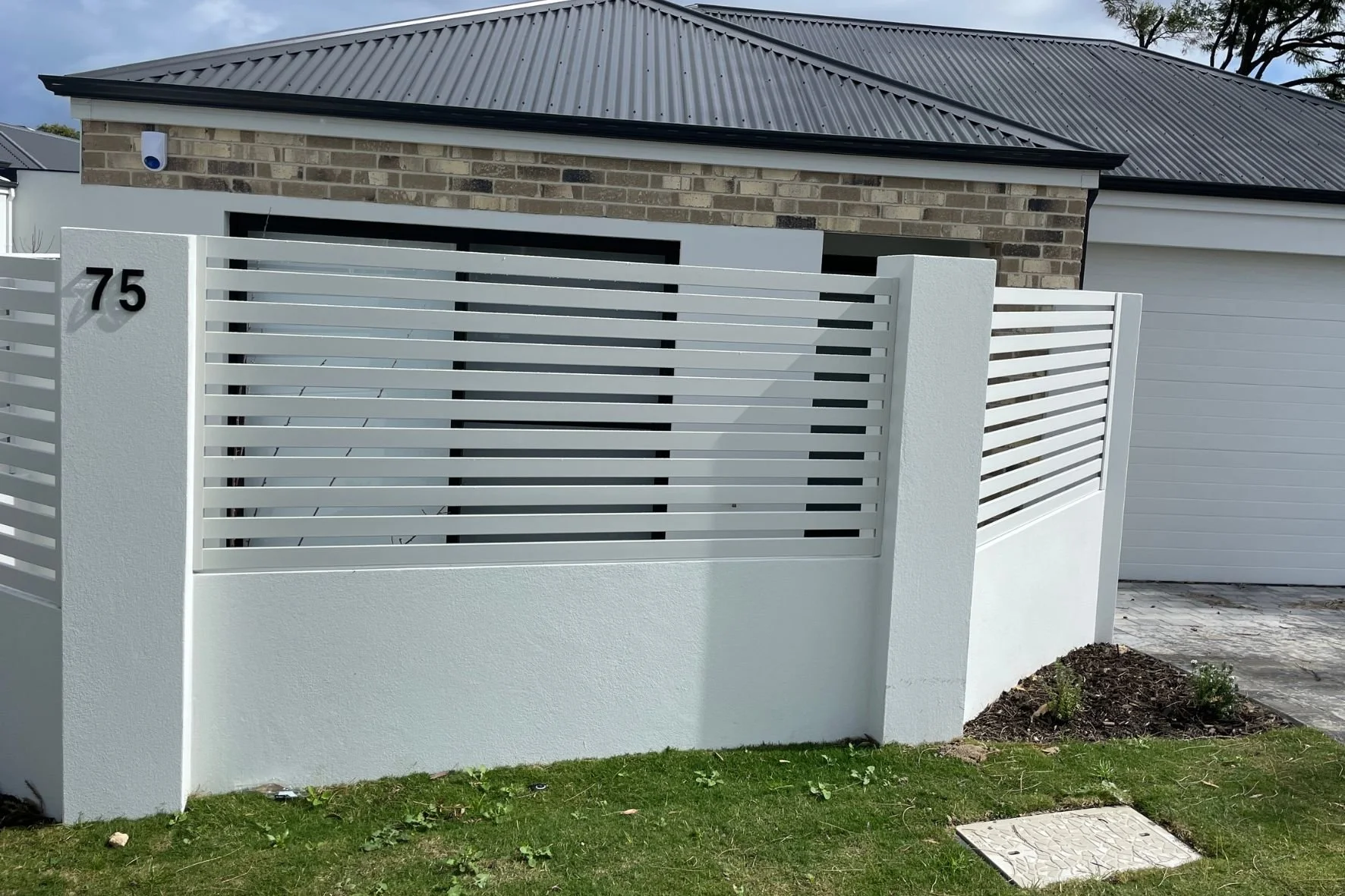
The Benefit of Custom Made Aluminium Slats
The beauty of having your aluminium slat fence, gate, or privacy screen custom made is that you’re not locked into a one-size option. In most cases, you can choose the gap that suits your home, whether that’s tight spacing for maximum privacy, a balanced gap for airflow and light, or a more open style for feature areas. It gives you control over how the finished result looks and performs, while still allowing us to adjust things slightly where needed so everything fits properly and looks consistent once installed.